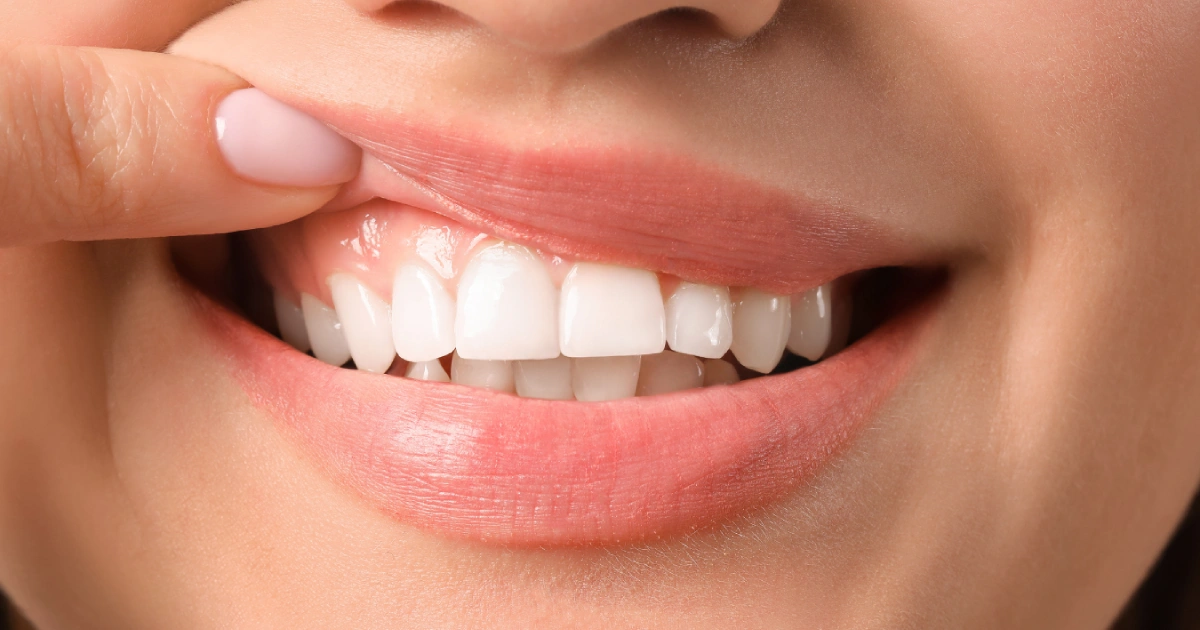
When it comes to your smile, every material matters. Dental restorations remain in close contact with your body for years, making thoughtful material selection essential to both oral health and overall wellness. At SAMA Oral Health, our holistic dental practice takes a whole-body approach, choosing materials designed to support balance, longevity, and comfort.
Discover how biocompatible dental materials are selected and why a more intentional approach can make a meaningful difference in your long-term health.
What Defines Biocompatible Dental Materials?
Biocompatible dental materials are selected to work with your body, not against it. In holistic dentistry, biocompatibility means choosing materials that support long-term oral and overall wellness.
These materials are designed to:
- Remain stable in the mouth over time
- Avoid triggering inflammation or allergic reactions
- Minimize toxicity and material breakdown
- Integrate safely with oral tissues
The mouth is a complex environment, influenced by saliva, temperature changes, chewing forces, and bacteria. Because dental restorations can last for years, material choice matters.
Biocompatible materials are often preferred because they:
- Perform reliably in the oral environment
- Reduce the risk of sensitivities
- Support a more balanced oral ecosystem
- Align with whole-body wellness goals
This thoughtful approach allows care to be tailored to the individual, especially for patients seeking a more intentional, health-conscious dental experience.
Why Dental Material Choice Shapes Your Long-Term Wellness
Dental materials are not short-term solutions. Fillings, crowns, veneers, and bridges become part of your body’s environment, often for decades. Because of this, material selection goes beyond aesthetics. It plays a role in long-term oral and overall wellness.
Dental materials interact closely with:
- Saliva and oral tissues
- Gums and underlying bone
- The body’s immune response over time
While modern dental materials are carefully tested, everybody responds differently. What feels seamless for one patient may lead to sensitivities for another.
A holistic approach to material selection focuses on:
- Compatibility with your unique biology
- Long-term stability in the oral environment
- Minimal immune or inflammatory response
- A balance of durability, function, and appearance
This personalized philosophy allows dental care to support not only a beautiful smile, but lasting wellness.
Innovative Biocompatible Options for Modern Dentistry
Advancements in dental science have led to a new generation of materials that prioritize both performance and compatibility. These innovative solutions are designed to blend seamlessly into your smile while supporting your health in the long run. Let’s explore the most common biocompatible dental materials used in contemporary holistic practices:
The Purity of Composite Resins
Composite resins are tooth-colored materials made from a blend of fine glass particles and safe resin. They are widely used for fillings, bonding, and minor cosmetic repairs. These resins offer several advantages:
- Excellent aesthetics, closely matching natural teeth
- Less removal of natural tooth structure during placement
- Strong bonding to tooth enamel, minimizing leakage
- Formulations free from certain chemicals sometimes found in older materials
Modern composite resins are carefully engineered for minimal reactivity and long-term stability. For patients seeking an invisible yet effective restoration, composite resins offer a reliable, biocompatible choice.
Strength and Beauty with Ceramic and Zirconia
Ceramic and zirconia restorations represent the forefront of metal-free dental technology. Both materials are prized for their durability, beauty, and inertness in full-mouth rehabilitation.
- Ceramic crowns and veneers: These are crafted from high-quality porcelain or glass ceramics, providing a lifelike appearance that mimics natural enamel. Ceramics are highly resistant to staining and do not conduct heat or cold, making them comfortable for sensitive mouths.
- Zirconia restorations: Zirconia is a type of advanced ceramic known for its exceptional strength and toughness. It is virtually unbreakable in daily use and is less likely to cause allergic reactions than some metals. Because it is metal-free, zirconia is ideal for patients who wish to avoid metal exposure.
Both ceramic and zirconia can be used for crowns, bridges, implant abutments, and even some types of dentures, offering a combination of function, aesthetics, and health-conscious design.
How Holistic Dentists Choose Materials That Work With Your Body
Selecting the right dental materials is not a one-size-fits-all process. A holistic approach to dental care approaches this decision with a deep commitment to personalized care. The evaluation process may include:
- Thorough review of your medical and dental history
- Assessment of allergies, sensitivities, and past reactions to dental materials
- Consideration of autoimmune or chronic health conditions
- Analysis of your oral environment, including pH, microbiome balance, and tissue health
- When indicated, biocompatibility testing is used to identify the safest materials for you
This holistic approach ensures that your dental restorations are not only functional and attractive but also tailored to your unique biology. By placing your wellness at the center of every decision, holistic dentists aim to reduce potential risks and promote lasting health.
Biocompatible vs. Conventional Dental Materials: A Mindful Comparison
Traditional dental materials, such as certain metals or older amalgams, have been used safely for decades. However, they are not universally suitable. Some patients may be sensitive to specific metals, while others may wish to avoid materials containing mercury or other elements.
Biocompatible materials are selected with the intention of minimizing the risk of adverse reactions and supporting your body’s natural balance. Instead of focusing on what conventional materials cannot do, holistic dentistry emphasizes the advantages of modern, health-conscious alternatives:
- Reduced risk of allergic or immune responses
- Absence of mercury, nickel, or other potentially reactive metals
- Improved integration with natural tissues
- Often superior aesthetics and comfort
It is important to note that both traditional and biocompatible options can be effective when chosen and placed appropriately. The key difference lies in the individualized approach and the priority placed on systemic compatibility.
Who Reaps the Most Rewards from Biocompatible Solutions?
While biocompatible dental materials are suitable for nearly everyone, certain individuals may benefit most from their use:
- Those with known sensitivities or allergies: If you have reacted to metals, plastics, or other substances in the past, biocompatible materials may help reduce the risk of discomfort, irritation, or chronic inflammation over time.
- Patients with autoimmune conditions: Because these individuals may have heightened immune reactivity, minimizing potential triggers within the oral environment is especially important for long-term comfort and stability.
- Individuals experiencing TMJ and jaw tension: Material compatibility, bite balance, and muscle function can all influence jaw comfort. Biocompatible solutions may play a supportive role within a broader approach to managing TMJ and jaw tension.
- Wellness-focused patients: If you prioritize natural, holistic living and wish to avoid unnecessary chemicals or metals, biocompatible options align closely with your values.
- Individuals seeking the most advanced dental technology: Many biocompatible materials represent the latest in dental innovation, offering improved longevity, aesthetics, and comfort.
Ultimately, anyone seeking to support both oral and systemic health may find value in exploring biocompatible dental materials, particularly within a personalized treatment plan.
The Art of Personalized Selection: A Holistic Dentistry Cornerstone
Personalized dental care is not just a philosophy; it is a necessity for optimal outcomes. No two patients are alike, and what is biocompatible for one person may not be for another. That is why holistic dentists devote time and attention to understanding your full health picture before making material recommendations.
Tailored selection may involve allergy screening, patient preference, and the latest research on material safety. In some cases, specialized testing can be performed to identify the best match for your immune system. This dedication to individualized care helps ensure that your dental restorations support your health, comfort, and peace of mind for years to come.
Empower Your Health: Choosing Materials for Total Wellness
The materials used in your dental restorations are more than just functional—they are a lasting investment in your health. By choosing biocompatible dental materials, you are making a proactive choice to support not only your smile, but your whole-body wellness. The right material can make all the difference in how you feel, look, and thrive over time.
If you are ready to take control of your dental and systemic health, a consultation with Dr. Jaskaren Randhawa, a dentist experienced in biocompatible care, is the best place to begin. Expert guidance, thorough evaluation, and a commitment to individualized treatment can help you make informed decisions that align with your wellness goals. Contact our practice today to start your journey toward a healthier, more harmonious smile and a brighter future.